The Garden Route: Spectacular, But Plan Carefully
The Garden Route is one of South Africa’s most popular driving routes, and for good reason - the scenery between Mossel Bay and the Eastern Cape border is genuinely extraordinary. For disabled travellers, it is moderately accessible in its most-visited areas and significantly less accessible once you move off the main coastal corridor.
The key thing to know: most Garden Route content describes boardwalks and accessible viewpoints as if they represent the whole experience. They don’t. The full Garden Route experience involves forests, trails, beaches, and activities that are not accessible. What is accessible is worth experiencing - you just need to know which parts those are before you arrive.
Where the Garden Route Works
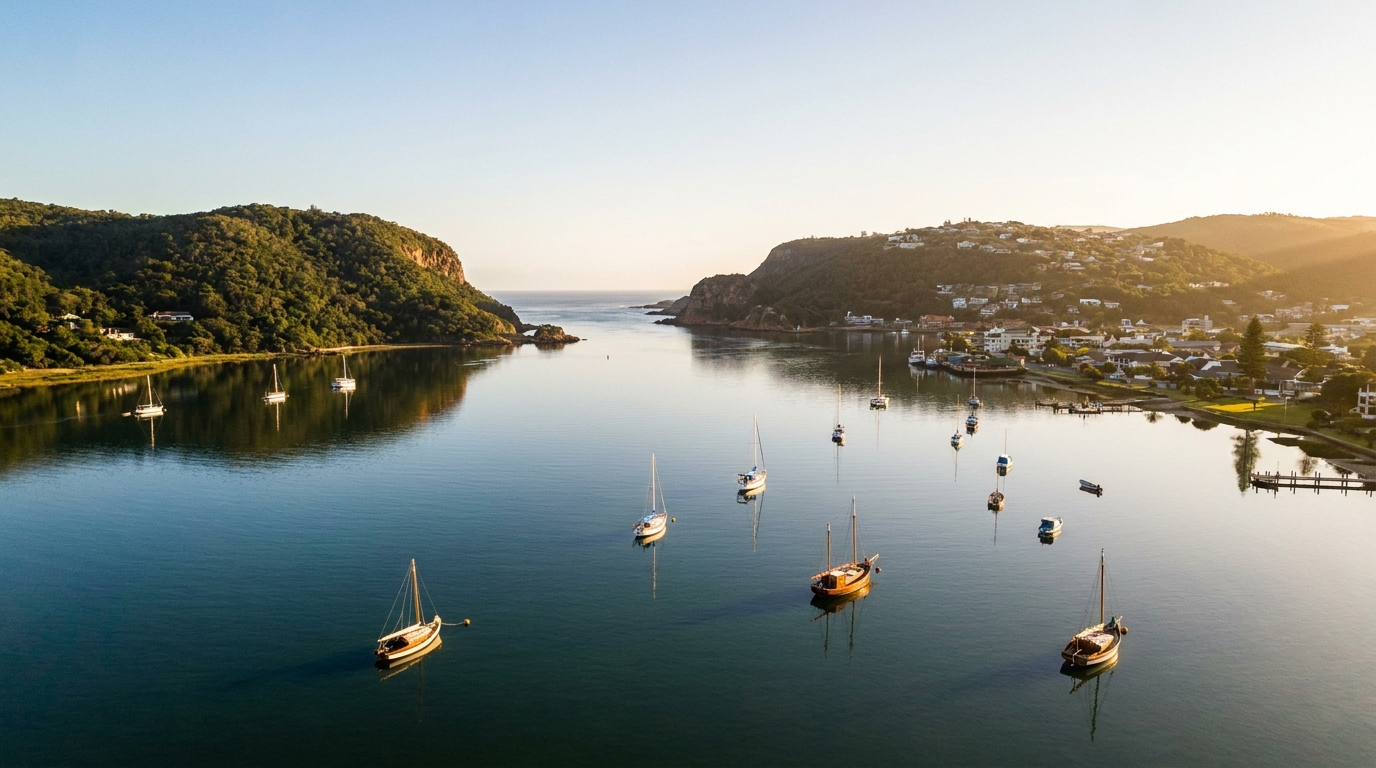
The Knysna waterfront area is the best accessible base on the route. The main quay is flat and has good restaurant access. The lagoon views are available without requiring a hike. George (the largest town on the Garden Route) has the best airport and the most accessible infrastructure for a town of its size - it makes a practical base for the central section of the route.
Plettenberg Bay has a good accessible beach at Lookout Beach and several accessible accommodation options in the main town area. The Monkeyland and Birds of Eden animal sanctuaries near Plettenberg Bay have accessible paths and are suitable for most wheelchair users.
What to Know Before You Go
Potholes and road surface quality on secondary roads in the Garden Route can be challenging for low-clearance vehicles. Plan for longer driving times than maps suggest. The best accessible experience of the route is a self-drive with a well-chosen base in Knysna or Plettenberg Bay, rather than trying to do the full route in one continuous journey.