Guides Written for the Traveller, Not the Destination’s Marketing Team
A destination brochure will tell you about the things that are spectacular. An ATS destination guide will tell you about those things too - and then tell you which of them are actually accessible, which have been retrofitted inadequately, and which require specific arrangements that the attraction’s website doesn’t mention.
The Tsitsikamma Suspension Bridge on the Garden Route is frequently cited in accessible travel content. What that content rarely mentions is that the bridge itself is accessible but the approach trail is not - and that the accessible alternatives require advance booking with a specific operator. That kind of nuance is the difference between a guide you can plan from and one that sounds reassuring but fails you on arrival.
Structured for How Travellers Actually Plan
Each destination guide is organised in sections that mirror how a trip is planned: getting there (transport to the destination), getting around (local transport and terrain), where to stay (accommodation with ATS scores for recommended options), what to do (attractions and activities by accessibility level), and what to watch out for (the honest section most guides skip).
Within each section, information is tagged by disability type where it differs meaningfully. A power wheelchair user and an ambulant disabled traveller have different experiences of the same destination - our guides reflect that.
Coverage Aligned with Where the SEO Opportunity Is
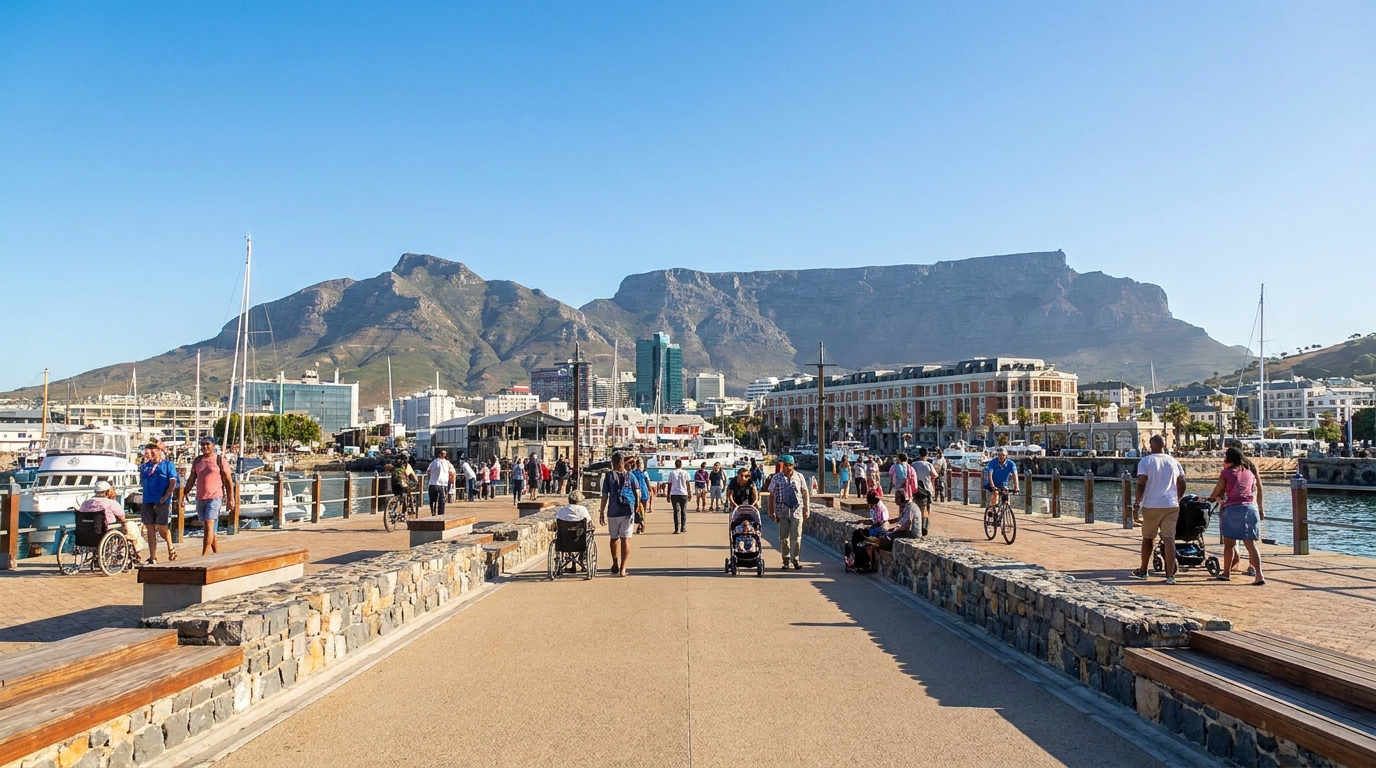
We have launched with South Africa’s highest-demand accessible destinations first: Cape Town, Johannesburg, KwaZulu-Natal, the Garden Route, Kruger, and Addo. These are destinations where disabled travellers are actively searching for information and finding almost nothing useful. We intend to fill that gap.